Key takeaways from Google Cloud Next '26 from an SDLC perspective

Summary: Google Cloud Next ’26 focused on the future of software delivery, emphasizing that AI, platform consolidation, and an urgent push toward efficiency are reshaping the Software Development Life Cycle (SDLC). The key takeaway from the event was that organizations are moving from AI experimentation to operationalization, actively consolidating fragmented tools onto end-to-end platforms that embed AI for control, intelligence, and speed.
Google Cloud Next 2026 made one thing clear: the future of software delivery is being reshaped in real time by AI, platform consolidation, and an urgent push toward efficiency. From the show floor to executive roundtables, the conversations we had reinforced a consistent theme: teams are looking to tackle the AI Velocity Paradox by simplifying, modernizing, and intelligently automating every stage of the SDLC.
Strong Signal from the Event
We had hundreds of meaningful conversations with engineering, platform, and cloud leaders. The patterns were unmistakable.
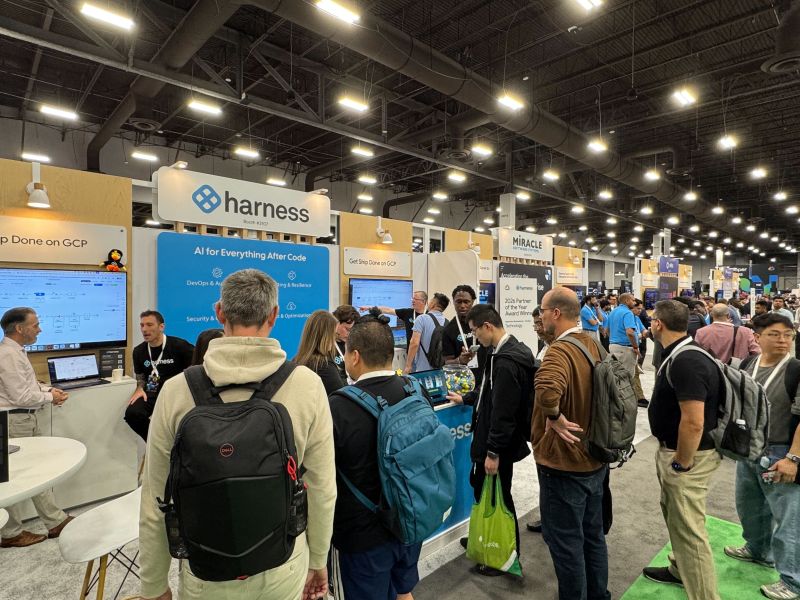
Across industries, organizations are grappling with:
- Fragmented CI/CD pipelines
- Manual or inefficient release processes
- Rising cloud costs without clear accountability
- Early, but serious, exploration of AI in the SDLC
These challenges mapped directly to Harness’ core solution areas:
- Software delivery & CI/CD modernization
- Database management & deployments
- AI-powered DevOps & FinOps
And the urgency is real. We spoke with teams:
- Still running homegrown deployment systems, shipping just twice a year due to regulatory constraints, but now exploring AI agents to orchestrate each pipeline step
- Deep in Jenkins-based environments, actively evaluating how to standardize pipelines and modernize security
- Managing multi-cloud footprints and searching for better cloud cost visibility and control
- Using CI tools with agents, but needing help scaling automation across build, test, and deploy workflows
- Leaning into AppSec integrations within CI/CD as security shifts further left
A recurring thread:
“We’re already experimenting with AI, but we need a platform that brings it all together.”
AI in the SDLC: From Curiosity to Commitment
If 2025 was about AI experimentation, 2026 is about operationalization.
We saw a sharp increase in:
- Interest in AI-assisted pipeline orchestration
- Discussions around AI-driven security and compliance workflows
- Demand for intelligent cost optimization tied to engineering activity
Multiple attendees explicitly mentioned:
- Building or planning AI agents across delivery pipelines
- Evaluating vendors based on AI capabilities within CI/CD and DevSecOps
- Wanting to understand how AI can reduce toil without sacrificing control
This shift aligns perfectly with Harness’ vision of AI-native software delivery, where intelligence is embedded, not bolted on. In fact, at Next, we announced a major step forward in making that vision real through our expanded partnership with Google Cloud. By integrating Google Cloud Developer Connect with the Harness Software Delivery Knowledge Graph, we’re enabling a unified layer of AI intelligence across the entire SDLC.
This means AI in Harness isn’t operating in silos. It has full, real-time context across code, pipelines, infrastructure, and runtime signals. The result is smarter automation, faster root cause analysis, and AI agents that can act with confidence, not guesswork. It’s a foundational step in moving from AI-assisted workflows to truly AI-native delivery systems, which is exactly what attendees told us they’re looking for.
A great example of this is Keller Williams. Keller Williams leveraged the Harness platform to transform their software delivery, increasing deployment frequency from a few times a year to over 20+ annual releases. By automating manual pipelines, the platform eliminates operational bottlenecks and allows its developers to focus on rapid innovation rather than deployment logistics.
DevOps Panel: The Future is Frictionless
Harness’s Martin Reynolds joined leaders from Atlassian, Datadog, LangChain, and Google to explore what’s next in a session titled: The Future of Developer Experience is Frictionless
The takeaway?
The next leap in productivity won’t come from isolated tools. It will come from connected, intelligent systems that remove friction entirely. With 150+ attendees on the final day, it was clear this message resonated.
The Bigger Picture: Platform Consolidation is Accelerating
Across every conversation, one strategic shift stood out:
Teams want fewer tools and smarter ones.
Organizations are actively:
- Replacing point solutions and legacy CI/CD tools
- Consolidating onto end-to-end platforms
- Prioritizing security, cost, and delivery in a single workflow
Jenkins modernization alone came up repeatedly. Not as a question of if, but when.
Recognition That Matters
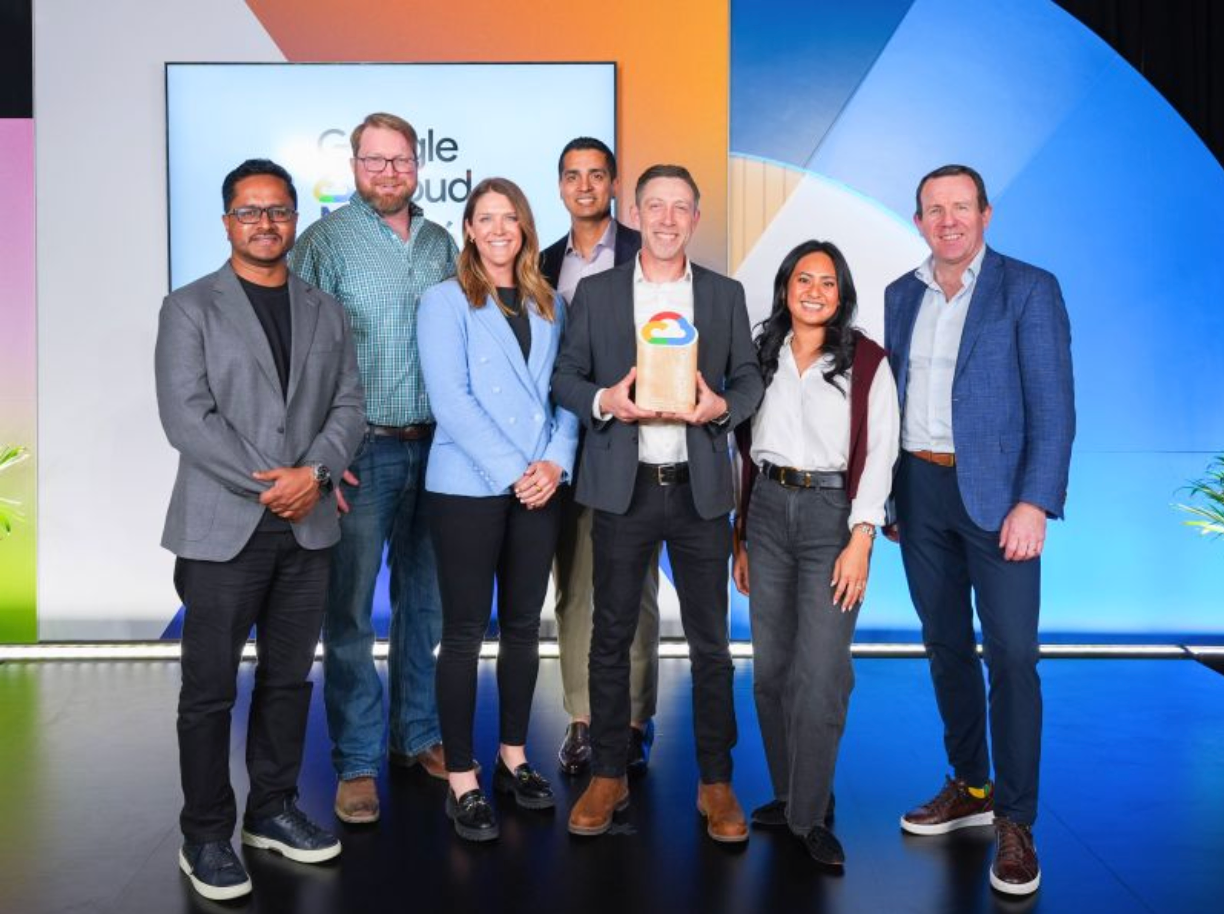
The event kicked off with Google Cloud recognizing its partners. We were proud to be named Google Cloud’s 2026 Technology Partner of the Year, a reflection of the innovation and impact we’re delivering together with GCP.
Final Takeaway
Google Cloud Next ’26 wasn’t just about cloud. It was about control, intelligence, and speed.
The organizations moving fastest right now are:
- Embedding AI into their delivery workflows
- Rethinking how pipelines, security, and cost intersect
- Investing in platforms that eliminate—not add—complexity
Harness is uniquely positioned at that intersection.
And based on what we saw in Vegas, the demand for that future is only accelerating. Here’s the event recap video.
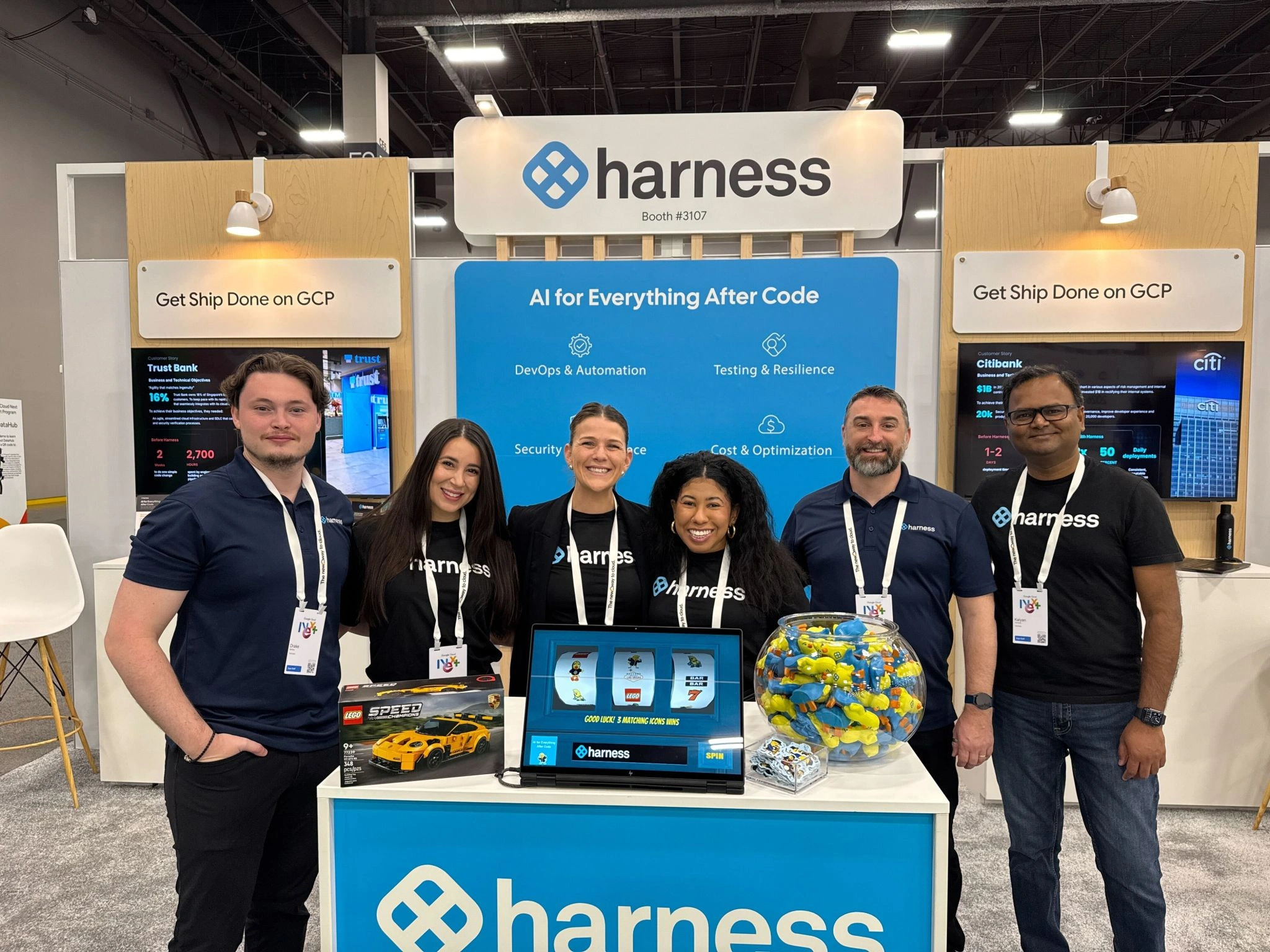
If you connected with us at the event or want to continue the conversation, we’d love to dive deeper.
