Harness AI's February updates tackle the AI Velocity Paradox with SAST/SCA & WAAP, smarter AI SRE Jira runbooks, and a powerful DevOps Agent upgrade.

February is all about making AI in software delivery secure and easier to operate at scale. This month’s updates span enterprise-grade application security, API security via MCP, SRE automation, and a major upgrade to the DevOps Agent.
Bring API Security Intelligence Directly into Your AI Workflows
Harness’s WAAP Public MCP Server is now Generally Available, enabling querying API security data with natural language in popular AI environments such as VS Code, Cursor, and Claude Desktop. Teams can pull in insights across API discovery, inventory, risk, vulnerabilities, remediation, and runtime protection, and then blend that data with internal sources inside custom AI workflows.
This brings API security context directly into daily developer and security workflows, rather than locking it behind dashboards. By putting WAAP data behind an MCP server, organizations can enable richer, real-time AI-driven security analysis and make API telemetry usable in the same AI agents and copilots developers already rely on.
Looking ahead, WAAP tools will also be integrated with Harness AI, enabling joint customers to access capabilities through the Harness MCP server. The goal is a unified MCP experience where security and delivery agents can reason over the same API security data without brittle, one-off integrations.
Shift-Left Security That Actually Prioritizes What Matters
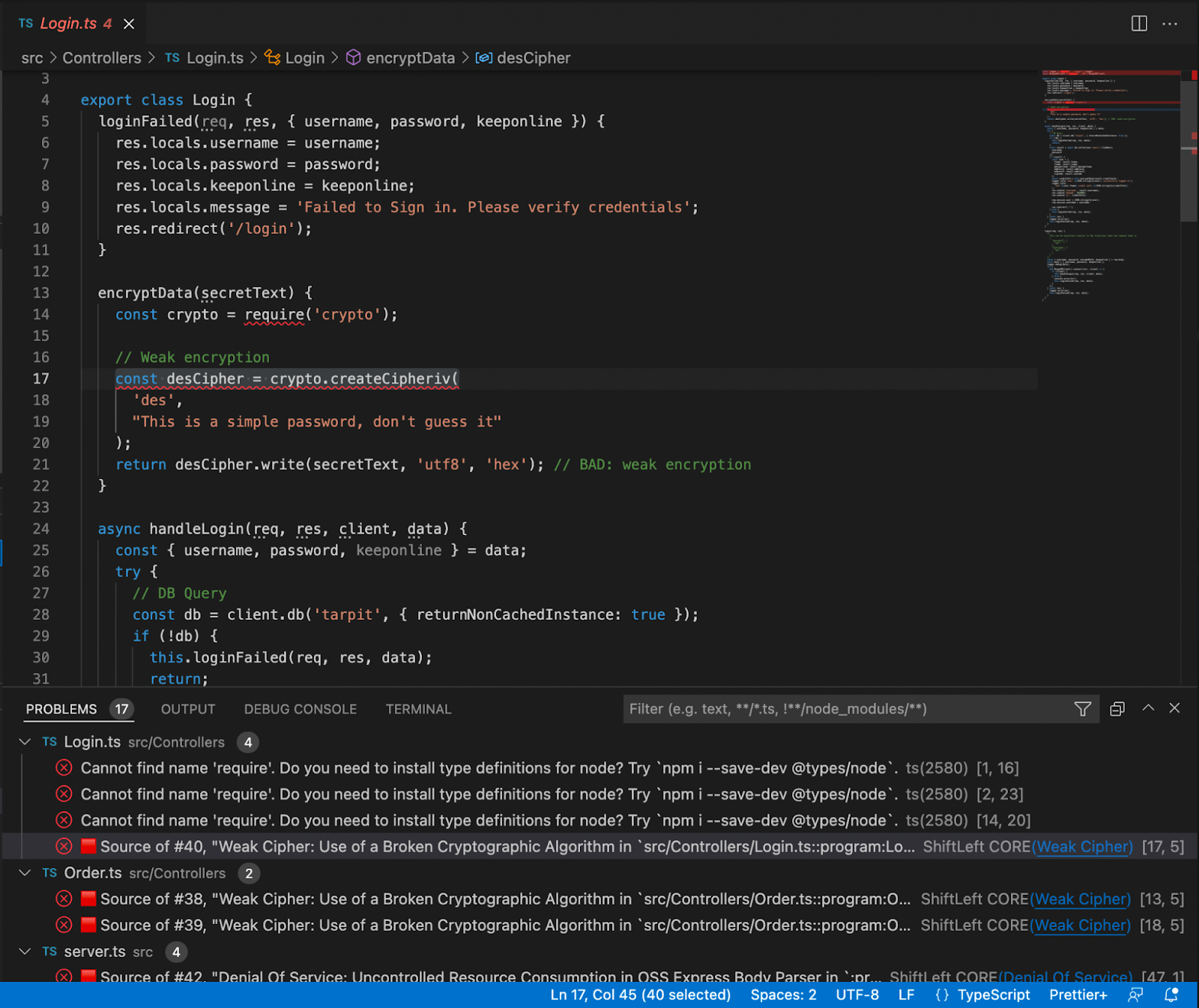
Harness SAST and SCA are now Generally Available as native security scanners within Security Testing Orchestration (STO), delivering AI-powered static analysis and software composition analysis right where AI agents and coding copilots generate code—in your pipelines. In the era of agentic coding, where AI autonomously writes, iterates, and deploys code at unprecedented speed, SAST scans repositories for security issues, hard-coded secrets, and vulnerable open-source libraries, while SCA analyzes container images for vulnerable OS packages and libraries, all with static reachability-based prioritization to cut through AI-amplified noise.
Onboarding is intentionally minimal: Harness automatically detects repositories and manages scanner hosting and licensing, including a 45-day free trial for existing STO customers. Within pipelines, SAST and SCA are available as native steps with auto repo detection, generate SBOMs for application and container dependencies, and surface results centrally for security and dev teams.
What sets this release apart is reachability-based prioritization and AI-assisted remediation, perfectly tuned for AI-driven workflows. Vulnerabilities are ranked based on whether they’re actually reachable from application code, helping teams focus on truly exploitable issues instead of noisy findings from rapid AI code gen, and AI-generated fixes can automatically open pull requests to accelerate remediation.
Incident Runbooks That Understand Your Jira Schema
In AI SRE, the Jira integration for runbooks has been rebuilt to support dynamic fields for both Create Jira Ticket and Update Jira Issue actions. When builders select a project and issue type, the runbook step now automatically loads the exact fields required by that Jira workflow, including custom fields, labels, and multi-select values.
This eliminates guesswork around field names and internal Jira schema details, and greatly reduces broken automations caused by missing or misconfigured required fields. For more advanced runbooks where the issue type is determined at runtime, a key-value mode lets builders set any Jira field directly while still benefiting from built-in validation that catches broken URLs and missing required fields before execution.
You can use the new Jira experience today by adding the updated Create or Update Jira actions to any AI SRE runbook. It’s particularly useful for complex incident workflows where different incident types must map cleanly to different Jira projects and issue types without manual rework.
A Smarter, Faster DevOps Agent for Enterprise-Scale Pipelines
The DevOps Agent has received a major upgrade and is now powered by an Opus 4.5 foundation model. From our internal testing, we found out that the new model improves speed, context retention, and overall pipeline generation accuracy, particularly for large, highly templated enterprise pipelines.
Teams will see faster response times, higher-quality YAML generation, and better handling of longer, more complex pipelines. This upgrade has been validated against complex pipelines. Enhanced template awareness also means the agent is better at reusing existing templates and making high-fidelity updates to existing pipelines, reducing the amount of manual cleanup after AI-generated changes.
The upgraded DevOps Agent is rolling out to our customers soon and will be available directly in the AI Chat experience, with no configuration changes required. This is especially impactful for large enterprises running deeply nested template hierarchies, where context management and accuracy are critical for safe automation.
Escaping the AI Velocity Paradox
These February updates directly tackle the AI Velocity Paradox: where AI coding tools accelerate code generation but create downstream bottlenecks in testing, security, deployment, and observability that erase those gains. By providing reachability-aware SAST/SCA to secure agentic code without slowing pipelines, MCP-powered API security for contextual risk analysis, smarter SRE runbooks for resilient operations, and an upgraded DevOps Agent for complex pipeline automation, Harness extends AI intelligence across the full software delivery lifecycle. The result? Teams ship faster, safer software without the fragility of fragmented tools or unproven hype, turning AI potential into measurable business velocity.
Checkout: Harness Agents
